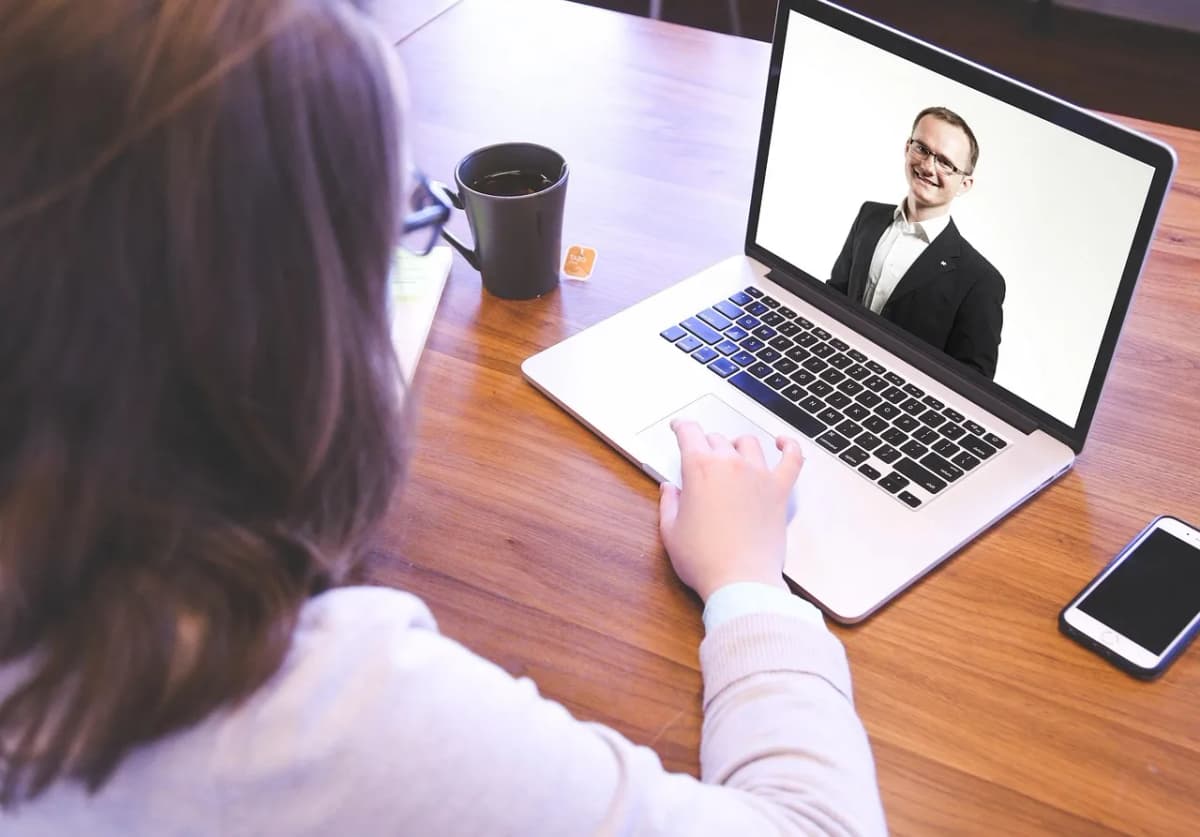

Fake job candidates using AI video and voice are changing how interviews work. HR Daily Advisor reported on 9 October that 41 percent of IT, security and fraud leaders surveyed by GetReal Security say their company has hired and onboarded a fraudulent candidate. Employment lawyers are now telling employers to interview in person whenever possible.
Key takeaways
- The FBI has warned of deepfake-enabled fraud in remote hiring.
- A July 31, 2026 joint alert flagged North Korean IT workers using false identities to get remote jobs.
- Advice to employers: in-person interviews, ID checks at each stage and phone reference checks.
- Recruiters are trained to spot audio and video that don't sync and scripted answers.
What will this mean for your next interview?
Expect more checks. You may be asked to show ID on camera, do a short live task, or meet your manager in person before your first day. For remote roles, some employers may verify where you are working from, where the law allows it.
How can genuine candidates stand out?
Make your identity easy to confirm. Keep your LinkedIn consistent with your resume, give references who will pick up the phone, and join video calls with your camera on and a stable connection. See our guides to virtual interviews, your LinkedIn profile and spotting fake job ads.
What is the background?
Remote hiring made it possible to recruit anywhere, but it also made identity fraud easier. US authorities have repeatedly warned about North Korean operatives using stolen or fake identities to win remote IT jobs and send their pay home. In one well-known case, a security training company hired a software engineer who turned out to be a North Korean operative using a stolen US identity and AI tools across four video interviews.
Who is affected?
Applicants for remote technology, finance and data roles will see the most new checks, since these jobs give access to systems and money. Recruiters and small employers without security teams are at risk of being fooled. Honest candidates face extra steps, such as ID checks on camera and in-person meetings, which can add time to hiring.
What should job seekers do?
- Expect identity checks and treat them as normal, but only share ID documents with verified employers.
- Be wary of the reverse scam: fake employers also use video calls to steal personal data.
- Keep your public profiles consistent and up to date so your history is easy to confirm.
- Offer references who can be reached by phone.
- If an employer asks you to come in person, see it as a sign the process is serious.
What happens next?
The FBI reports that eight people have been sentenced in 2026 alone for their roles in fake IT worker schemes. Employers are likely to keep adding checks, so expect more identity steps in remote hiring.
Source: HR Daily Advisor, 9 October 2026.
Keep this insight useful.
Share it with your network, save it for later, or create a signed affiliate link.
Creating or clicking a link does not create earnings. Only fraud-reviewed outcomes can allocate an existing eligible paid-ad-funded monthly pool.
About the author
Lutaf Junijo
Career Content Editor, World Careers Hub
Lutaf Junijo is the Career Content Editor at World Careers Hub and Dev Global Jobs. He writes and edits our guides on jobs, CVs, visas, salaries and careers abroad, and he runs our official social media. Every fact is checked against official and trusted sources, named in the post, and errors are corrected as soon as readers report them.